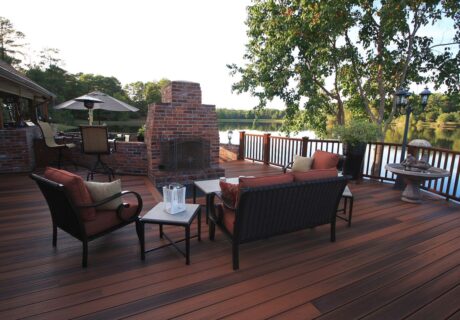
There are few natural features that are more enjoyable than taking in the tranquil beauty of a waterfront view. For homeowners with waterfront properties, it’s important to remember that these environments often can be subjected to harsh weather conditions.
One way to ensure a waterfront deck, boardwalk, float or dock will stand the test of time and weather is to use high-quality, durable materials — such as composite decking. Not all composite materials are created equal, which is why it’s important to understand what to look for when selecting the right product.
The following are a few key factors to consider when planning any waterfront decking project:
Avoid a Slippery Slope — Keep Safety First
As tranquil and peaceful as an outdoor deck with a waterfront view can be, high moisture, temperature variations and wind filled with salt spray and abrasive sand can wreak havoc on decking materials. Extreme waterfront conditions can cause a very slippery situation on a deck or boardwalk that overlooks the water.
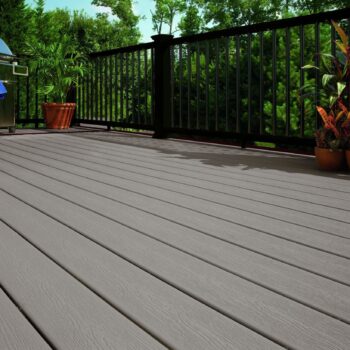
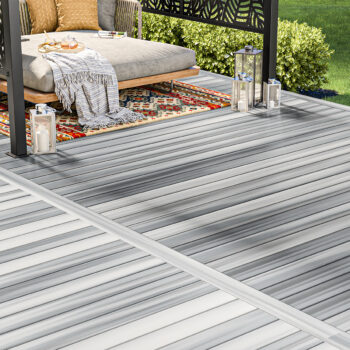
DuraLife® by Barrette Outdoor Living® composite decking features CoolTrac®, a material composition that provides superior slip resistance on wet surfaces while also keeping deck boards significantly cooler than traditional composite decking.
Location, Location, Location
While the main point of adding a waterfront deck is to take full advantage of the view of the open water, homeowners should take note of the overall orientation of the area they are considering for a deck install. Does the sun set or rise over the area? Will the deck be in full sun for most of the day or will it be mostly shaded? Is the deck being built right against the water or is there a buffer between? It is also important to consider the deck’s proximity to neighbors, public access points and roadways.
Another important consideration when planning a deck installation is determining where the primary and secondary entrance points are located. Unlike landlocked deck installations, a waterfront deck may offer very few options for providing a way to access the deck space without going through the interior of the home first.
Reasons to Use Composite Decking
While pressure treated lumber is designed to repel moisture and prevent insect damage far better than untreated wood, there are limits to how well it performs over time — especially when exposed to more extreme elements, like saltwater spray, high winds, sand, and other variables more common in a coastal area. That’s why pressure treated wood requires regular and time-consuming maintenance — painting, staining, sealing — to remain both aesthetically pleasing and structurally sound.
On the other hand, composite decking materials — made from a combination of recycled hardwood fibers and polypropylene plastic — are considered low-maintenance and require no painting, staining or sealing. Along with providing superior resistance to mold and mildew — an important consideration when building anything near water — composite decking will also never crack or splinter, making it more comfortable underfoot, even in bare feet.

DuraLife composite decking takes protection a step further by adding a layer of polypropylene to the exterior surface which helps boards look great for years to come without the need for constant upkeep. And unlike pressure treated lumber — which requires toxic products for maintenance — eco-friendly composite decking requires little more than the occasional sweep or warm water rinse.
Experience the benefits of DuraLife composite decking for yourself – order samples in any combination of collection, color and profile and have them shipped directly to your door.